
Surf Trip to the Algarve: What You Really Need to Know
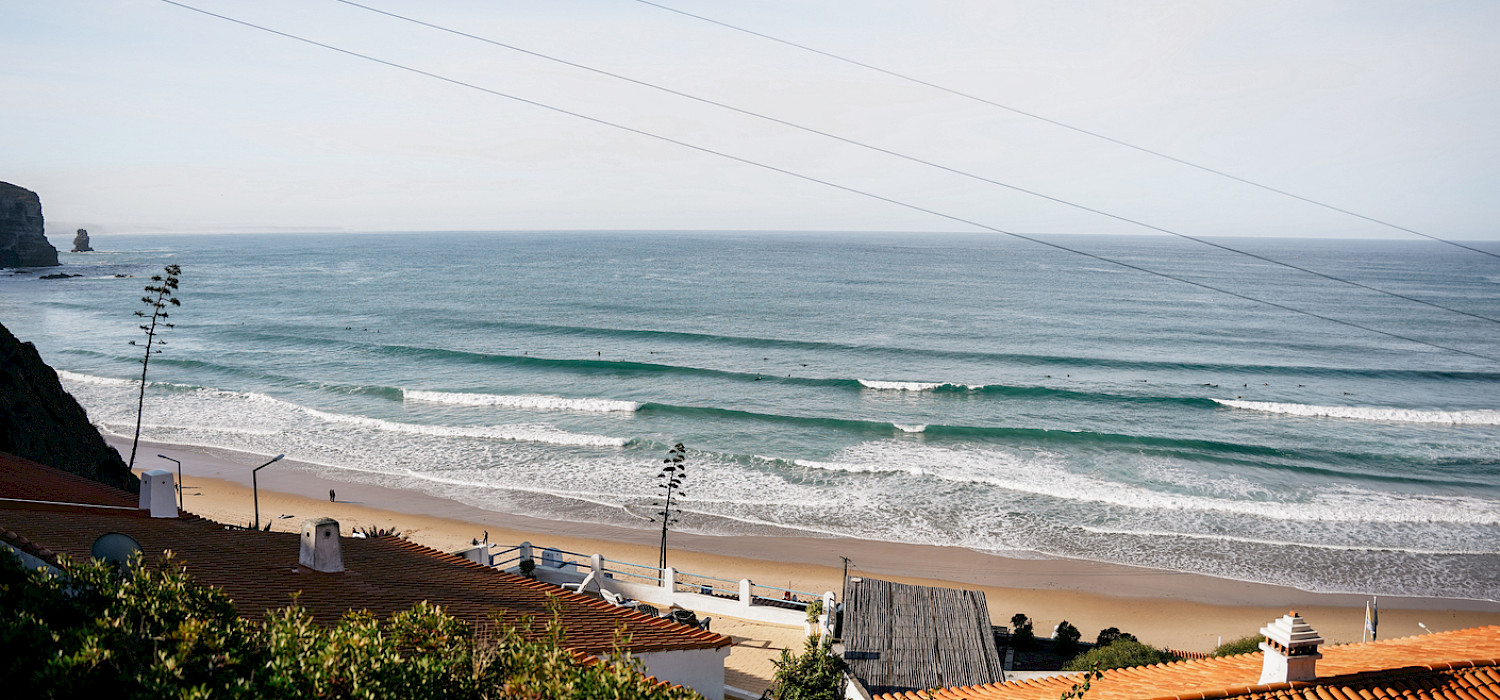
If you’re thinking about a surf trip to the Algarve, chances are you’re imagining empty beaches, warm light, consistent waves, and that feeling of time slowing down the moment you paddle out.
You’re not wrong.
But there’s a lot about surfing the Algarve that most people don’t tell you — and knowing it before you arrive can be the difference between an average trip and one you’ll remember for years.
Let’s break it down.
Why the Algarve Is a Surf Trip Classic
The Algarve sits at the southwestern tip of Europe, where the Atlantic hits land with intention. Thanks to its unique geography, it offers something few surf destinations can:
- Exposure to multiple swell directions
- Access to south- and west-facing coastlines
- Surfable conditions almost year-round
When one coast is flat or blown out, the other often works. That flexibility is gold — especially if you’re traveling for a limited amount of time.
What the Waves Are Really Like
There’s no single “best” season — only the best season for you.
- Autumn: Warm water, consistent swells, fewer crowds
- Winter: Bigger, more powerful waves for confident surfers
- Spring: Balanced conditions and improving weather
- Summer: Smaller waves, perfect for learning and progression
The Algarve works year-round, but your experience will depend on your level, expectations, and how you approach each session.
Wetsuit: What You Really Need to Surf the Algarve
Choosing the right wetsuit can make or break your surf trip.
Water temperature in the Algarve changes throughout the year, but it’s rarely tropical. Comfort matters — especially if you’re surfing multiple days in a row.
Here’s a simple guideline:
- Summer (June–September): 3/2 mm wetsuit or 4/3mm for longer sessions
- Spring & Autumn: 3/2 mm or 4/3 mm, depending on conditions. If there is a lot of north wind blowing, the water will be colder, otherwise, a 3/2mm is enough.
- Winter: 4/3 mm with boots (and sometimes a hood on colder days), or 5/4mm for the coldest ones.
A well-fitted wetsuit keeps you warm, relaxed, and focused on surfing — not on how cold you feel. The more comfortable you are, the longer and better your sessions will be.
How Much Driving Should You Expect?
One of the Algarve’s biggest strengths is also something many surfers underestimate: mobility.
Because the region offers both south- and west-facing coastlines, chasing good conditions often means getting in the car.
Typical drive times:
- 10–20 minutes for nearby beach breaks
- 30–45 minutes when switching coastlines
- Occasionally up to 1 hour for very specific conditions
This flexibility is what allows you to score better waves — but it also means your surf trip isn’t static. Being willing to move, observe, and adapt is part of surfing the Algarve properly.
The Algarve, Done Right
A surf trip to the Algarve can be a simple holiday.
Or it can be a turning point in your surfing.
The difference comes down to preparation, guidance, and how willing you are to slow down, observe, and learn — both from the ocean and from yourself.
Because the best sessions aren’t always the ones with the biggest waves.
They’re the ones where everything finally clicks.
-
If you’re planning a surf trip to the Algarve and want to experience it with intention, structure, and respect for the ocean, you’re already on the right path.
See you in the water.
Published: 05 Jan by neil
Tagged: surfalgarve, surfportugal, Surfing, surfseason
OTHER SIMILAR ARTICLES
The 3 best Surf Wave Pools in Europe
Discover the best surf pools in Europe — Bristol, Munich, and Alaïa Bay. Perfect waves, epic settings, and year-round stoke await.READ MORE

The 3 Stages of a Wave: A Simple Guide to Timing Your Take-Off
Learn where to position and when to pop-up, and improve your surfing.READ MORE

Zavial Surf Spot Guide
Zavial is home to a famous wave in Portugal that deserves a great deal of respect, as do the locals. Learn the do's and don't in our Zavial surf spot guide.READ MORE